This post may contain affiliate links
If you’ve ever read the fine print on a box of toothpaste, you’ve probably seen the ingredient sodium lauryl sulfate (SLS). SLS is the ingredient that creates the thick foam while you brush your teeth.
While it isn’t as dangerous as social media says it is, SLS can irritate your mouth if you’re sensitive to it. If you experience dry mouth or canker sores after brushing your teeth, it might be worth looking into an SLS-free toothpaste.
Instead of combing through tiny ingredient lists in the toothpaste aisle, you might try making SLS-free toothpaste at home. The best part? You probably already own most of the ingredients.
Why Make Your Own Toothpaste?
Sensitivity to SLS is the most common reason people look into making their own toothpaste, but there are other advantages rarely talked about.
For example, homemade toothpaste means that you get to pick out every single ingredient. Plus, you can ensure that no synthetic dyes, artificial flavorings or unnecessary preservatives end up in the tube.
Many people also find that making your own toothpaste ends up being cheaper in the long run. Especially when so many “premium” toothpaste brands charge significantly more for SLS-free alternatives.
There are also environmental benefits for making your own toothpaste. Most commercially made toothpastes have tubes containing materials harmful to the planet. Making your own in a reusable glass jar is an easy way to reduce waste in your everyday life.
However, there is one catch to most homemade recipes, including the one below: they don’t include fluoride. Many dentists consider fluoride important for preventing cavities. If you have specific dental concerns it’s best to check with your dentist to make sure switching over from commercially-made toothpaste.
How to Make SLS-Free Toothpaste at Home
This basic, all-natural recipe makes enough toothpaste to fill a small jar, which is about three-weeks’ worth for one person’s daily brushing needs.
Ingredients
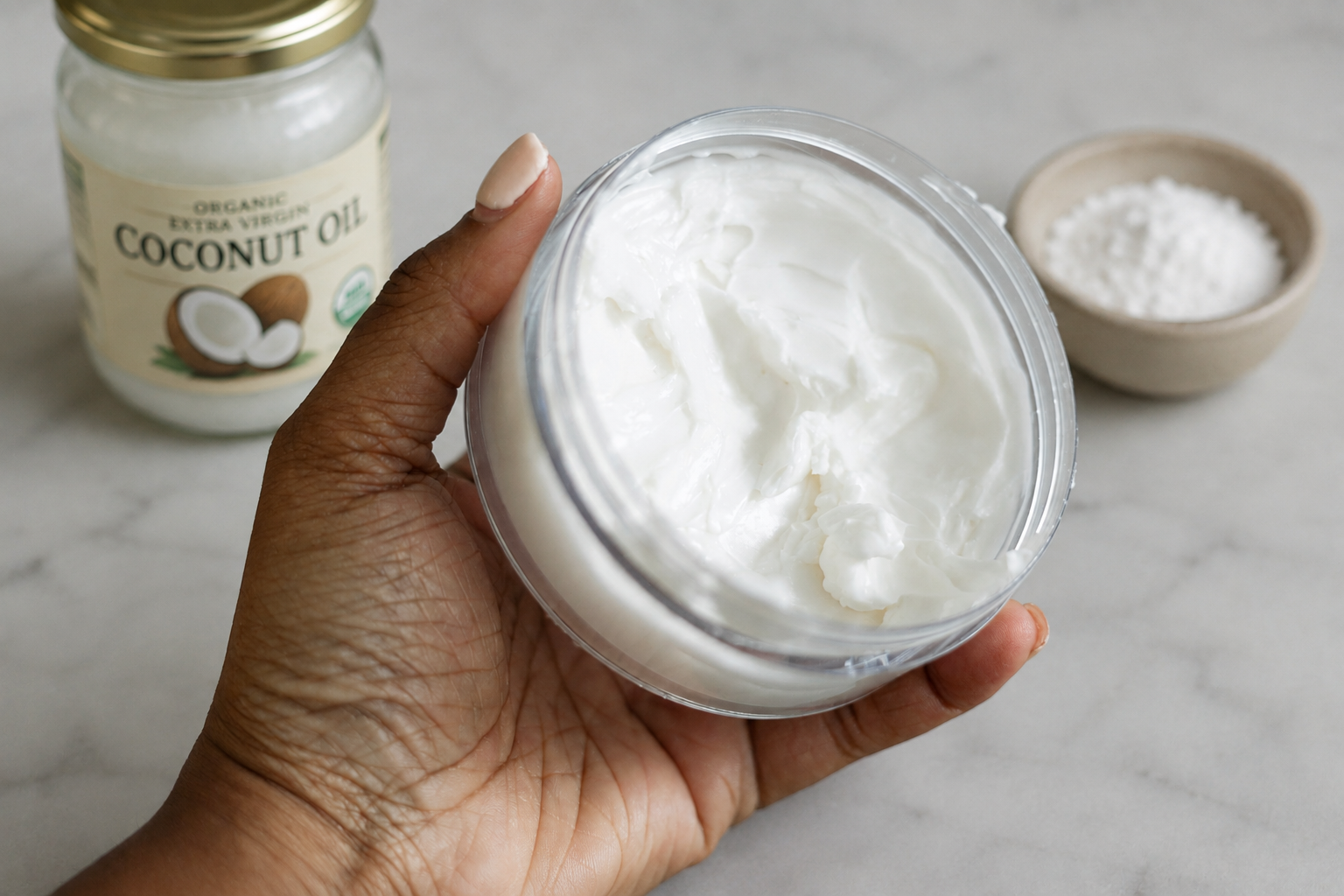
- 3 tablespoons coconut oil, softened but not fully liquid (we use Garden of Life)
- 2 tablespoons baking soda
- 1 teaspoon fine sea salt (optional, for extra cleaning power)
- 1 teaspoon xylitol (optional, for mild sweetness) (we use NOW Foods)
- 10 to 15 drops food-grade peppermint or spearmint essential oil (we use Japanese peppermint oil)
Instructions
In a small bowl, whisk together the baking soda, sea salt and xylitol until evenly combined. Mixing the dry ingredients at the start keeps the baking soda from clumping together after adding the oil.
Add the softened coconut oil to the dry mix. It should be soft and scoopable, not melted into a liquid, since liquid oil makes it harder to keep the baking soda suspended evenly through the paste.
Mash the mixture with a fork and stir it until you get a smooth, uniform paste. If the mixture seems too dry, add one half-teaspoon of coconut oil. If you accidentally add too much, add a little more baking soda.
Stir in the essential oil and mix again. Start with just a few drops and adjust to taste.
Spoon the finished paste into a small glass jar with a lid. Let it sit at room temperature for an hour or so to firm up slightly before using.
To use the toothpaste: Place a pea-sized amount onto your toothbrush with a clean spoon instead of dunking a wet brush directly into the jar. That could introduce bacteria into the jar and shorten how long the batch stays fresh.
Storage: Store the jar at room temperature and away from direct heat. Most homemade toothpaste will stay fresh for about two months.