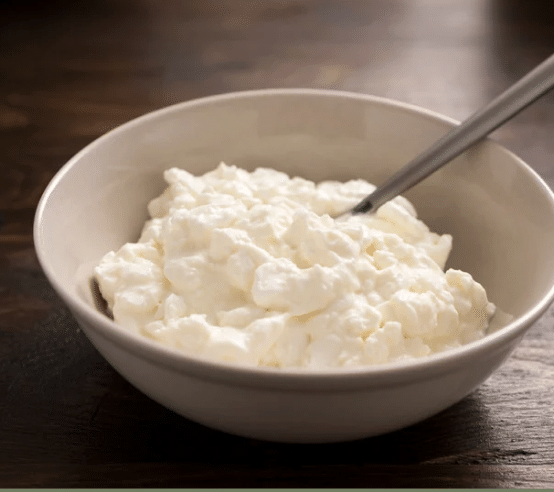
Cottage cheese is easy to freeze, and it will remain perfectly safe to eat far longer than it lasts in the fridge.
And while this snack is easy to freeze, it’s worth noting that cottage cheese stored in the freezer will likely look and taste pretty different from how it did when you bought it. Similarly to cream cheese, freezing cottage cheese will break down fats and change the texture.
Even so, there may be occasions when you need to freeze cream cheese. Learn how to freeze cottage cheese, what changes to expect and how to thaw it.
What Happens When You Freeze Cottage Cheese?
When you freeze cottage cheese, small ice crystals form in the curds and liquid. As it later thaws, these ice crystals melt, which separates the curds from the liquid and leads to a thin, watery texture.
Brands of cottage cheese that offer full-fat and large curd varieties tend to hold up slightly better than low-fat or small-curd versions. But realistically, none of these options are going to look or taste exactly how they did when they went into the freezer.
Since the thick, smooth consistency is one of its main draws, thawed cottage cheese isn’t the best choice for eating straight out of the container. It works much better in recipes where cottage cheese is an ingredient meant to be mixed into a dish.
Some smoothies, pasta dishes, and even pancakes call for cottage cheese where it won’t make a difference whether it’s fresh or thawed.
How to Freeze Cottage Cheese
As a rule, you should try to avoid freezing a whole large container at once. Instead, try dividing the container into smaller portions. This way, you don’t have to thaw all of your cottage cheese if all you need is a cup.
To properly store your cottage cheese in the freezer, scoop your desired amount into an airtight container or a freezer bag, pressing out as much air as possible. If you’re using a container instead of a bag, leave a little bit of space at the top, since the liquid will likely expand once frozen.
How Long Does Frozen Cottage Cheese Last?
Frozen cottage cheese can generally last about six months if kept at a consistent temperature. But the texture and flavor tend to be best when eaten within the first three months in the freezer.
How to Thaw Cottage Cheese
Always make sure to thaw frozen cottage cheese in the refrigerator instead of on the counter or in the microwave. Both options (but especially the microwave) introduce a rapid temperature change that makes the texture even thinner. Thawing in the fridge usually takes a full day.
Once it’s fully thawed, drain out any excess liquid before using the cottage cheese in a recipe. If you’re utilizing the cottage cheese in a recipe where smoothness and consistency really matter, a quick spin in a blender or food processor can even out the graininess and bring back some of its original texture.
One last note: Always avoid refreezing cottage cheese after it’s been thawed. It’s safe to eat if you have to do this, but the texture will become increasingly degraded with each thawing.
If you’re still unsure whether freezing your cottage cheese is worth it, it might be a good idea to consider your timeline. If you tend to finish the container within a week, the fridge is simpler and keeps the texture intact.